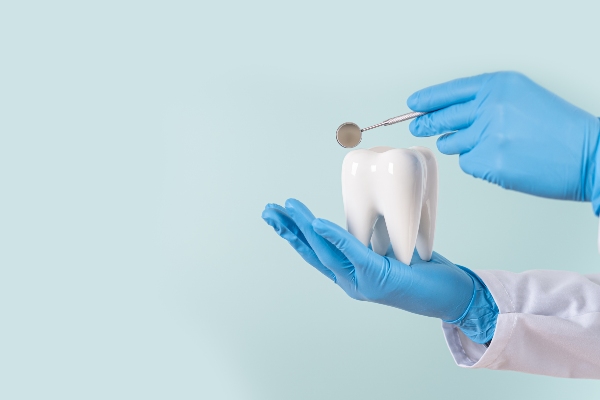
 Dental crowns are an effective method to address a variety of dental issues. However, how do you know if you need a dental crown? Understanding the following signs and symptoms can help you maintain optimal oral health and prevent further complications.
Severe tooth decay
Tooth decay is a common problem that can lead to severe damage if left untreated. Severe decay weakens the tooth structure, making it prone to further damage and infection. Common signs of severe tooth decay include:
- Persistent tooth pain
- Sensitivity to hot or cold
- Visible holes or pits in the teeth
- White, brown, or black spots on the teeth
- Bad breath
While dental fillings are typically the go-to treatment for tooth cavities, there are situations where a cavity is too large for a filling to adequately repair the tooth. In these cases, a dental crown acts as a protective cap, covering the entire tooth and preventing the decay from spreading.
Cracked or fractured teeth
Cracked or fractured teeth can be incredibly painful and can worsen over time if not treated properly. Whether the damage is due to an injury, biting down on something hard, or natural wear and tear, a dental crown can restore the structure and integrity of the tooth. Crowns hold the cracked pieces together, preventing further breakage and alleviating pain. Additionally, sharp pain when chewing, sensitivity to temperature changes, or visible cracks in the teeth indicate the need for dental crown treatment.
Worn down teeth
If the patient finds that their teeth appear shorter than they used to, have flat edges, or experience increased sensitivity, a dental crown might be the answer to restoring their smile. Teeth can wear down for various reasons, including grinding (bruxism), acidic erosion, or age-related issues. When teeth wear down, they lose their shape and strength, leading to chewing problems and oral health. Dental crowns can restore the original shape and function of the patient's teeth, providing a durable and aesthetically pleasing solution to worn-down teeth.
Root canal treatment
During a root canal, a dentist drills into the middle of the affected tooth to remove all of the decay. While this is necessary to preserve the patient's oral health, it can leave the affected tooth more fragile and more susceptible to fractures. Fortunately, the dentist will often place a dental crown over the treated tooth to maintain the integrity of the tooth structure and prevent future complications.
Misshapen or stained teeth
In some cases, a patient may need a dental crown for cosmetic reasons, particularly for misshapen and severely stained teeth. A misshapen tooth may result from a minor chip, severe grinding, or age. Meanwhile, deep stains develop due to habits such as smoking, drinking coffee or dark wines, or poor oral hygiene.
Crowns can improve the appearance of a patient's teeth, providing a uniform and attractive smile. A dental crown can offer a permanent and long-lasting solution if whitening treatments and other cosmetic procedures have not met one's treatment goals. It can also strengthen the tooth's structure and strength, protecting it from further discoloration and damage.
Call our office to schedule a consultation
Dental crowns are versatile and effective in addressing a variety of dental issues. Downtown Atlanta Dentistry offers dental crowns in the Atlanta area. Call our office to learn more about our services or to schedule a consultation.
Request an appointment or call Downtown Atlanta Dentistry at 404-999-1407 for an appointment in our Atlanta office.
Related Posts
Dental crowns are an effective solution for restoring damaged and decayed teeth. They protect the tooth from further damage while enhancing its appearance, blending in with the rest of your smile. However, it can be difficult to choose between the many types of crowns, such as porcelain and metal, as each of these materials has…
There are a variety of restorative treatments for damaged and decayed teeth. For instance, dental crowns and onlays can restore teeth that have damage that is too extensive for fillings to address. Understanding the basics of each can give you a better idea of which option a general dentist is likely to recommend and why.A…
A dental crown is one of the most common restorative dental procedures. It restores the form and function of a tooth affected by damage or decay. Whether due to decay, trauma, or wear and tear, a crown can restore the strength and appearance of your tooth through a fairly simple procedure.A dental crown is a…